
Introduction
Businesses increasingly depend on digital channels to attract customers, build trust and generate enquiries. For companies competing in Bangalore and across India, understanding Digital Marketing for Small Business can make the difference between simply having an online presence and having a digital system that supports measurable business growth.
This guide explains the topic in practical terms, the factors businesses should evaluate, common mistakes to avoid and how a professional digital partner such as Web Vistara can support the process.
Why This Topic Matters
The most important reason to focus on digital marketing for small business is that customers make decisions quickly online. They compare businesses, read service information, check credibility and look for an easy way to contact the company.
A strong strategy should therefore connect visibility with user experience and conversion. It should not be treated as an isolated technical task. For Web Vistara, the goal is to connect websites, search visibility, advertising and lead-generation features so that each digital activity supports the wider business objective.
Core Strategic Takeaway
Sustainable digital growth requires an integrated ecosystem: seamless user journeys, high-speed technical performance, validated search entity trust, and measurable conversion attribution at every touchpoint.
Key Areas Businesses Should Focus On
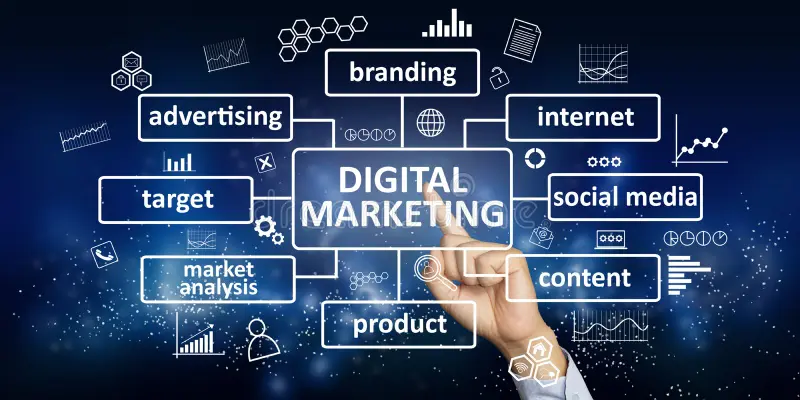
A practical approach starts with five key focus areas: business goals, SEO, paid advertising, social media and content and analytics and lead measurement. Each area affects performance in a different way. Businesses should first understand their audience and commercial goal, then build the right structure around it.
1. Aligning Digital Activities with Commercial Goals
Defining target customer personas, high-margin services, and customer lifetime value to guide marketing investments.
2. Search Engine Optimization & Local Search
Capturing organic search intent through high-ranking service landing pages and optimized Google Maps profiles.
3. Targeted Paid Advertising (Google & Meta Ads)
Generating immediate high-intent customer inquiries while organic search rankings build momentum.
4. Authority Content & Social Media Engagement
Building lasting brand trust through educational video content, customer reviews, and multi-channel storytelling.
5. End-to-End Analytics & CRM Lead Attribution
Tracking every rupee spent to closed revenue using GA4, conversion tracking, and automated CRM pipelines.
Decisions should be based on relevance, usability and measurable outcomes rather than trends alone. Where possible, performance should be tracked using enquiries, calls, form submissions, qualified leads, sales or other business-focused metrics.
A Practical Step-by-Step Approach
- Step 1: Audit Current Baseline: Identify what is already working, where customers are dropping off and which pages or campaigns need improvement.
- Step 2: Map Target Intent: Define the target audience and the exact search or buying intent behind each product or service offering.
- Step 3: Engineer Conversion Pages: Build or improve the relevant pages, strengthen the content, make contact options obvious and ensure the experience works seamlessly on mobile devices.
- Step 4: Continuous Optimization & Scaling: Measure results accurately, conduct A/B testing, and refine the multi-channel strategy as search algorithms and buyer behaviors evolve.
Digital growth is usually an ongoing process: websites, search behaviour, competitors and customer expectations change over time, so regular review is important.
Common Mistakes to Avoid
Common mistakes include choosing the cheapest option without checking quality, publishing thin or duplicated content, ignoring mobile users, using unclear calls to action, failing to track enquiries and expecting guaranteed results in an unrealistic time frame.
Another mistake is focusing on traffic without checking whether that traffic is relevant. A smaller number of visitors with genuine purchase intent can be more valuable than a large amount of unrelated traffic. Businesses should also avoid unsupported claims and instead build trust through clear service information, transparent communication, real examples and useful content.
Recommended Industry Documentation & Best Practices
For deeper technical standards, official developer guidelines, and industry best practices, we recommend reviewing:
- building high-performing organic SEO content structures guided by Google Search Central.
- setting up high-ROI search campaigns and smart conversion bidding via Google Ads Help.
- running targeted Facebook and Instagram acquisition funnels detailed on Meta for Business.
- tracking omnichannel conversion goals and lead attribution in Google Analytics Help.
- optimizing Google Maps 3-Pack rankings and local customer reviews with Google Business Profile Help.
- executing professional B2B lead generation and thought leadership via LinkedIn Marketing Solutions.
- enhancing cross-channel brand search entities and rich snippets through Schema.org.
How Web Vistara Can Help
Web Vistara can support businesses by connecting strategy with execution. Depending on the requirement, this can include website development, SEO, local SEO, technical improvements, Google Ads, social media marketing, e-commerce development, landing pages, analytics and lead-generation integrations.
The right combination depends on the business model, competition, budget and growth stage. Rather than using every channel at once, businesses should prioritize the channels most closely connected to customer intent and then expand based on measured performance.
Conclusion
In conclusion, digital marketing for small business should be approached as part of a wider business-growth system. Good execution combines clear planning, professional implementation, useful content, strong user experience and accurate measurement.
Businesses that review these areas consistently are better positioned to improve visibility and create more opportunities for qualified enquiries. Web Vistara can help businesses assess their current digital presence and build a practical plan based on their website, marketing and lead-generation requirements.
Frequently Asked Questions
What is a digital marketing strategy?
The right choice depends on the business goal, current digital presence, target audience and required level of support. Compare experience, scope, communication and measurable deliverables before deciding.
Which digital marketing channel is best for small businesses?
Cost varies according to project size, competition, technology, campaign scope and ongoing support. A proper quotation should be based on clearly defined requirements rather than a single universal price.
How much should a small business spend on digital marketing?
Timelines vary. Some improvements can be implemented quickly, while SEO, authority building and competitive growth generally require consistent work over time.
Should a business use SEO and paid ads together?
Yes, when it is relevant to the business objective. The most effective approach is to connect the tactic with a clear customer journey and a measurable conversion action.
How can digital marketing generate qualified leads?
Web Vistara can assess the requirement and recommend an appropriate combination of website, SEO, advertising, content, analytics or lead-generation support.
Need Expert Help Scaling Your Business?
Contact Web Vistara today for a comprehensive digital growth audit and customized strategy tailored specifically to your business goals.